A controlled professional learning programme for SSWMB officers, front-end collection companies, practitioners and students seeking an applied understanding of Karachi and Sindh's solid waste systems.
This public page explains the programme. Course lessons, calculations, MCQs, assignments, capstone work, examinations and learner records require the appropriate secure login.
For learners
Student Login & Registration
Create your learner profile, receive an EWMS training ID and securely access all lessons, calculations, assessments, submissions and recorded progress.
For institutional reviewPreview the EWMS–SSWMB certificate templateIncludes both logos, trainer/examiner name, certificate number and verification format.
Building professional capacity for a cleaner, better-managed Sindh
The programme connects institutional leadership with field-level practice, helping participants turn sound engineering principles into measurable improvements across the municipal solid waste service chain.
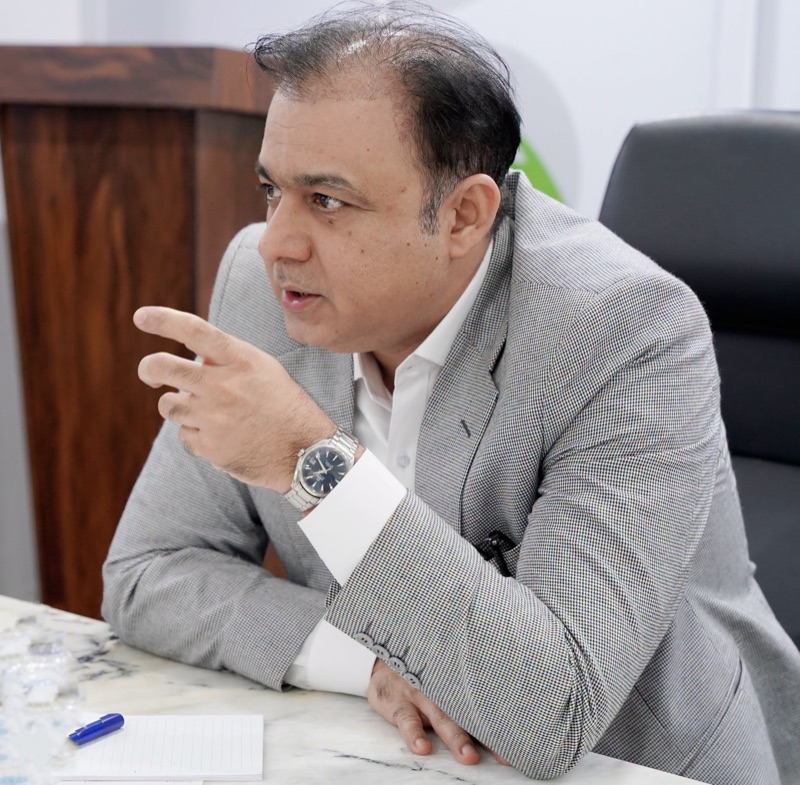
Message from the Managing Director
“Effective solid waste management requires more than the deployment of vehicles, workers and equipment. It requires officers and service providers to understand the science, engineering principles and management systems that determine whether day-to-day operations actually deliver reliable public service.
This course is important for SSWMB officers actively engaged in field operations, for front-end collection companies and their employees who implement services across Karachi, and for students seeking professional expertise in the city's solid waste management system. By building a shared understanding of waste generation, collection, transfer, transportation, resource recovery, disposal and contract performance, the programme can strengthen coordination, accountability and evidence-based decision-making.
I encourage every participant to approach this course as a practical responsibility: to question existing practices, apply the learning in the field, and contribute to safer, cleaner and more efficient services for the people of Karachi and Sindh.”
“This course has been designed to bridge the gap between what is written in plans and contracts and what must actually happen on streets, at transfer stations, in recovery facilities and at disposal sites. It combines engineering fundamentals with the operational realities of Karachi and the wider Sindh context.
Participants will learn to calculate waste quantities, assess storage and collection systems, evaluate vehicle and route productivity, understand transfer and transport requirements, review resource-recovery and landfill systems, and monitor outsourced collection contracts through verifiable evidence. The objective is not simply to complete lessons, but to develop the judgement needed to identify weaknesses, test assumptions and recommend workable corrective actions.
The real value of this programme will be measured in daily operations: better inspections, stronger records, defensible calculations, improved contractor oversight, safer working practices and decisions that produce visible service improvements. I invite every participant to engage critically, practise each exercise and apply the learning to the systems they are responsible for improving.”
Six connected modules move from essential concepts to field operations, engineering calculations, infrastructure planning and outsourced-contract control. Login is required to open any lesson or assessment content.
PROTECTED LEARNING AREACourse content is available only to registered learners
Sign in to read lesson theory, follow process-flow diagrams, practise guided calculations, solve the ten lesson checks, answer MCQs and submit assessed work.
Access controlLogin required
01intermediateFoundation6 hoursFree MD previewSWM FundamentalsWaste systems, service chains, institutional roles, data quality and the principles that separate controlled management from open dumping.Waste hierarchySystem boundariesGovernance & complianceFree accessOpen module →
02advancedEngineering8 hoursFree MD previewGeneration & CharacterizationBuild defensible waste forecasts and sampling plans using population, per-capita generation, density and composition data.ForecastingSampling designMass balanceFree accessOpen module →
03intermediateOperations10 hoursFree MD previewCollection SystemsMatch storage, fleet, labour and route design to settlement patterns while measuring productivity through field evidence.Fleet sizingRoute productivityService KPIsFree accessOpen module →
04intermediateSpatial Engineering10 hoursFree MD previewGIS-Based Resource PlanningConvert population, land use, generators, roads and facilities into mapped service zones, sweeping beats, routes, fleet, labour and procurement outputs.Land-use waste allocationRoad hierarchySpatial resource sizingFree accessOpen module →
05advancedAsset Operations10 hoursFree MD previewTransfer-Station OperationsEvaluate transfer-station need, size payloads and compare direct haul against transfer-based transport options.Break-even distanceGTS sizingQueue analysisFree accessOpen module →
06advancedInfrastructure12 hoursFree MD previewRecovery & TreatmentScreen and plan MRF, recycling, composting, biomethanation, RDF and thermal options with feedstock, safeguards, cost and market constraints explicit.MRF designOrganics & RDFCircularityFree accessOpen module →
07intermediateGovernance & Field Control12 hoursFree MD previewOutsourced Contract ManagementMaster the monitoring of outsourced municipal waste-collection contracts through evidence-based inspections, KPI verification, payment control and corrective action.Contract obligationsField inspectionPerformance enforcementFree accessOpen module →
08advancedFinal Disposal Operations12 hoursFree MD previewEngineered Landfill OperationsOperate and monitor an engineered sanitary landfill through controlled placement, compaction, cover, airspace, leachate, gas, stormwater and safety systems.Cell operationsLeachate & gasAirspace controlFree accessOpen module →
Controlled qualification
Learning is recorded. Competence must be demonstrated.
Registered learners work through 120 lessons and complete lesson calculations and MCQs before progressing to assessed submissions.